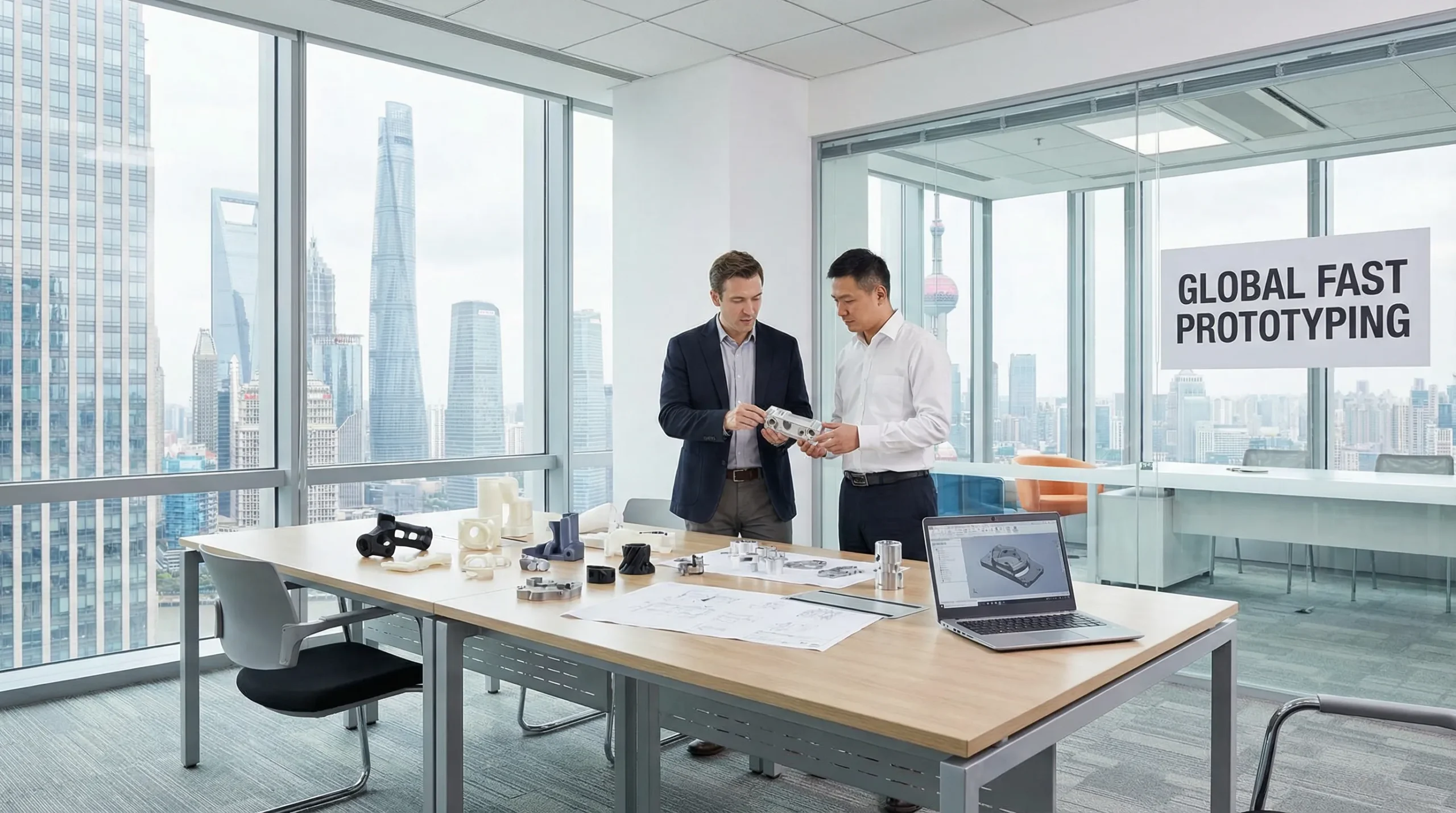
Manufacturers, engineers, and product designers often face tight deadlines and rapidly changing requirements. Chinese vendors have built a strong reputation for meeting these pressures, combining speed and cost advantages that keep pace with demanding development schedules. Teams researching fast prototyping China options will find a well-developed ecosystem of suppliers capable of handling everything from CNC machined metal parts to 3D printed components, often turning projects around in days rather than weeks.
Here’s an in-depth look at what to expect when sourcing custom fast prototyping services in China, including processes, technologies, and best practices for seamless collaboration.
Key Takeaways
- Custom fast prototyping services in China offer rapid turnaround times and significant cost savings for engineers and product designers.
- Chinese prototyping companies provide a diverse range of processes, including CNC machining, 3D printing, vacuum casting, and injection molding under one roof.
- Effective communication and clear project documentation are vital to ensure quality and prevent misunderstandings when working with Chinese vendors.
- Choosing the right prototyping partner in China involves assessing technical expertise, quality controls, intellectual property protections, and logistics experience.
- Common challenges like language barriers, shipping delays, and IP risks can be mitigated through detailed requirements, NDAs, and proactive follow-up.
Understanding Fast Prototyping Services

Fast prototyping services refer to a suite of manufacturing techniques designed to quickly create physical models or parts from digital designs. Unlike traditional fabrication that may take weeks or months, these services, often called rapid prototyping, shorten the wait to just days. Common applications include form, fit, and function prototypes for engineering validation, customer demos, or short-run testing.
Prototyping methods range from CNC machining (milling, turning), 3D printing (SLA, SLS, FDM), to vacuum casting and sheet metal fabrication. Each offers distinct benefits depending on part complexity, required material properties, and end-use requirements. The goal is always the same: to help teams visualize, test, and iterate designs fast before committing to full-scale production.
Reliable providers like XTJ CNC in Carmel, Indiana, offer fast prototyping solutions within the United States. But, China remains a leading global hub for companies seeking rapid prototyping at scale, often pairing speed with significant cost savings.
Why Choose China for Custom Prototyping?
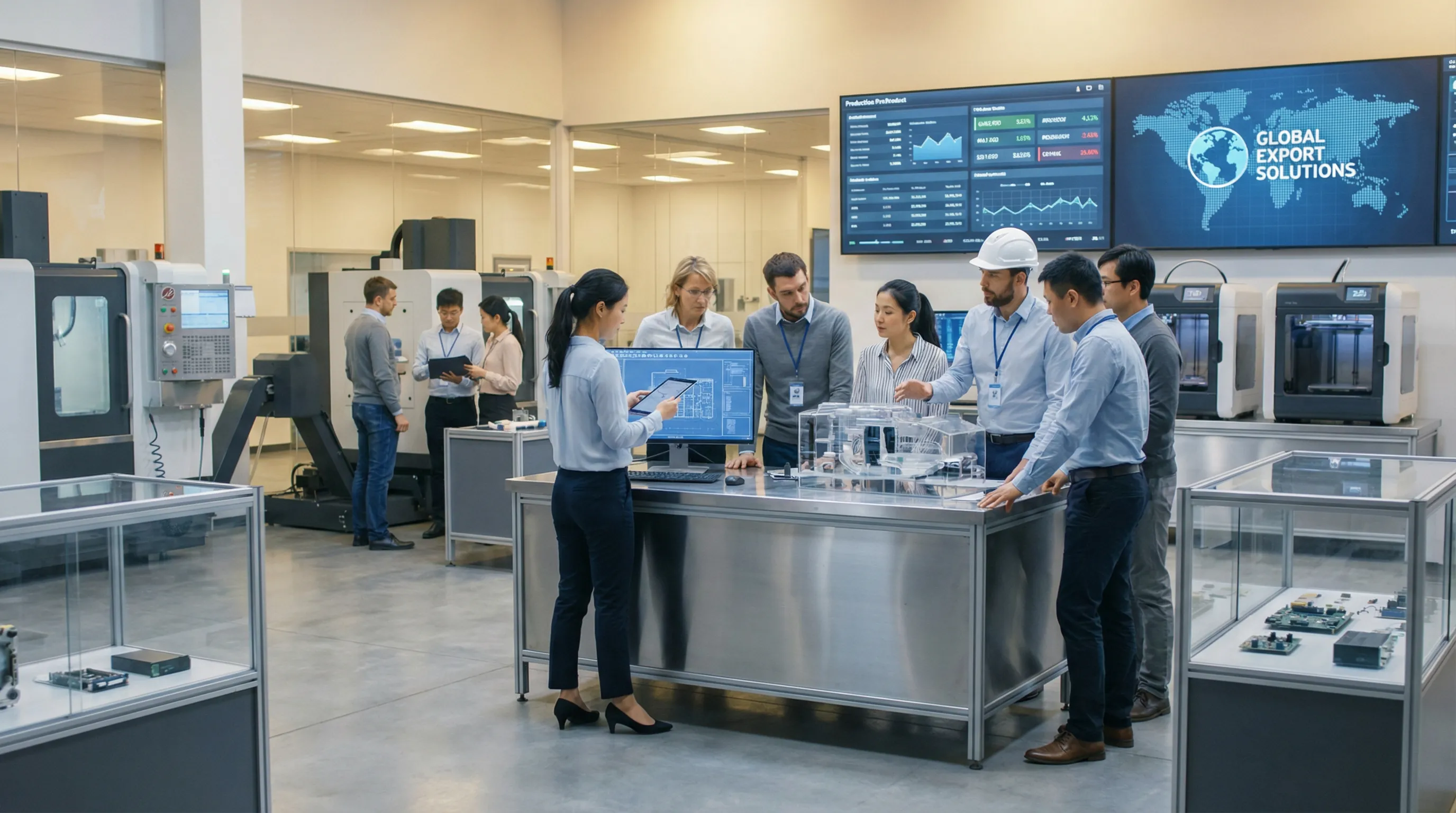
China has become the go-to destination for custom prototyping services for several reasons:
- Manufacturing Scale: Chinese suppliers invest heavily in state-of-the-art equipment, making high-tech capabilities accessible even for small projects.
- Cost Efficiency: Labor and material costs in China generally undercut Western markets without sacrificing quality. This makes prototyping more affordable, even after factoring in shipping fees.
- Lead Time Advantages: Chinese prototyping shops often offer accelerated turnarounds by operating multiple shifts and leveraging streamlined supply chains.
- Process Diversity: Facilities often house CNC, additive manufacturing, molding, and finishing technologies under one roof, simplifying coordination and logistics.
- Experience with Export Projects: Many Chinese vendors focus on export and have robust systems to support Western clients, including English-speaking project managers and international shipping expertise.
For engineers and product designers who need to balance speed, cost, and quality, these advantages make China an attractive partner for custom fast prototyping.
Key Services Offered by Chinese Prototyping Companies
Chinese prototyping companies offer a comprehensive range of services to meet a broad spectrum of project requirements. Typical offerings include:
- CNC Machining: Precision milling, turning, drilling, and routing for both metals and plastics, ideal for accurate prototypes and functional testing.
- 3D Printing/Additive Manufacturing: Technologies such as SLS (Selective Laser Sintering), SLA (Stereolithography), FDM (Fused Deposition Modeling), and MJF (Multi Jet Fusion) provide quick, cost-effective production for complex geometries and short runs.
- Sheet Metal Prototyping: Cutting, bending, stamping, and welding for enclosures, brackets, and bezels in steel, aluminum, or specialty alloys.
- Vacuum Casting (Urethane Casting): Produces small batches of plastic parts that mimic production material properties, ideal for bridge-to-production needs.
- Injection Molding (Rapid Tooling): Low-volume tooling and molding to generate hundreds or thousands of “production-like” parts with quick-turnaround molds.
- Surface Finishing: Painting, powder coating, anodizing, polishing, bead blasting, and silk-screen printing to match cosmetic specs.
XTJ CNC provides similar services in the U.S., but Chinese partners often appeal to those looking for international scale and diversified manufacturing options.
The Prototyping Process: Step-by-Step Overview
While every project brings unique requirements, working with Chinese prototyping providers generally follows a predictable process:
- Project Submission
- The customer uploads 3D CAD models (STEP, IGES, STL), 2D drawings, and specifies material, finish, and quantity.
- Quotation
- Suppliers review files, confirm feasibility, and issue a detailed quotation including price, lead time, shipping, and payment terms, typically within 24–48 hours.
- DFM (Design for Manufacturability) Feedback
- Engineers may suggest modifications to improve part quality or reduce costs, especially for complex features or tight tolerances.
- Order Confirmation and Payment
- Once pricing and design are agreed, payment (often 50% upfront) is made to initiate manufacturing.
- Manufacturing
- The prototyping provider machines, prints, or molds the parts according to specifications, often sharing progress updates and photos with the client.
- Quality Inspection
- Parts are measured, and surface finish is checked according to customer requirements (CMM reports, visual inspection, FIT checks).
- Shipping and Delivery
- Finished prototypes are securely packed and shipped via courier (DHL, FedEx, UPS). Clients outside China typically receive parts within 2–5 days after completion.
Adhering to these steps ensures effective project management and clear expectations from start to finish.
Common Materials and Technologies Used
Chinese prototyping factories handle a wide range of materials and use advanced technologies to meet customer needs. Popular material choices include:
- Metals: Aluminum (6061, 7075), stainless steel, brass, copper, titanium, and mild steel for structural or functional prototypes.
- Plastics: ABS, polycarbonate, nylon, PEEK, Delrin (POM), acrylic, and polypropylene for high-precision plastic parts.
- Elastomers: Silicone, rubber, TPU for flexible parts through casting or 3D printing.
On the technology side:
- CNC Machining handles metals and rigid plastics efficiently, delivering tight tolerances and fine surface finishes.
- 3D Printing/Additive Manufacturing supports complex shapes, undercuts, and internal features impossible or expensive with subtractive machining.
- Vacuum Casting allows engineers to test designs in production-like plastics before investing in hard tooling.
- Sheet Metal Fabrication enables creation of prototypes for enclosures, chassis, and brackets, especially important in electronics and automotive industries.
Advanced inspection tools like CMMs, laser scanners, and optical comparators help ensure precision and quality for client parts.
Pricing, Lead Times, and Communication
Pricing for prototyping services in China is generally lower than that of many Western countries, thanks to reduced labor costs and high manufacturing efficiency. But, prices will vary based on part complexity, material, quantity, and surface finish requirements.
- CNC Machined Parts: Simple aluminum parts might start as low as $30–$50 each, while intricate, multi-axis stainless steel parts can run several hundred dollars per piece.
- 3D Printed Parts: Costs depend on size, material, and print technology, typically ranging from $20 for small ABS parts to several hundred for large or intricate builds.
- Lead Times: Many shops offer lead times of 3–7 business days for most projects, plus 2–5 days for global express shipping.
Effective communication is key to a successful prototyping project. Leading Chinese vendors provide English-speaking sales and engineering teams, offer real-time updates and photos, and use cloud-based collaboration tools. Setting clear expectations around tolerances, material certifications, and inspection criteria up front can prevent misunderstandings and costly rework.
For companies seeking strict intellectual property controls or U.S.-based support, XTJ CNC in Carmel, Indiana, provides domestic prototyping solutions and direct engineering collaboration.
How to Choose the Right Prototyping Partner in China
Selecting the right Chinese prototyping company is crucial to project success. Evaluation criteria include:
- Technical Capability: Check their capacity for complex features, required tolerances, and the ability to work with your chosen materials.
- Experience and References: Choose suppliers with proven export history and satisfied customers in your industry.
- Quality Control Systems: Look for certifications like ISO 9001 and ask about inspection equipment or reporting options.
- Quoting Speed and Communication: A responsive sales team signals reliable customer service. Immediate, clear communication is essential when problems or design changes arise.
- Intellectual Property Protection: Ensure the company can sign NDAs and understands IP security best practices.
- Logistics Expertise: Proficiency in international express shipping and customs documentation helps projects move quickly.
Requesting a small test order before critical production runs is a smart way to evaluate quality and cooperation. Comparing services with U.S.-based options like XTJ CNC can further ensure you choose the best fit for your needs.
Potential Challenges and How to Overcome Them
While custom prototyping in China is efficient and widely regarded for value, several challenges can arise:
- Language Barriers: Even with English-speaking sales staff, technical misunderstandings may occur. Clarify requirements with annotated drawings, detailed CAD, and written lists of critical features.
- Quality Consistency: Some suppliers prioritize speed, which can compromise quality. Choose providers with rigorous QC procedures and request photos, dimensional reports, or sample parts when ordering.
- Intellectual Property Risks: Concerns about design leakage are valid. Sign non-disclosure agreements and avoid sending over-complete IP unless the supplier’s reputation is excellent.
- Shipping Delays: International logistics, especially around holidays, can add uncertainty. Plan for potential delays with buffer time in your project schedule.
- Cultural Differences: Working styles and business expectations may differ. Frequent check-ins and explicit, friendly reminders help keep everyone aligned.
Collaborating with local prototyping experts like XTJ CNC provides U.S.-based project management and IP safeguards if those are a priority. Otherwise, careful supplier selection and precise communication will resolve most cross-border challenges.
About XTJ CNC
Business: XTJ CNC
Spokesperson: Hafiz Pan
Position: Director of Operations
Phone: +1 218 527 7419
Email: hafiz@cncpartsxtj.com
Location: 506 S Rangeline Rd, Carmel, IN 46032, USA
Website: http://xtjcnc.com
Google Maps Link: https://maps.app.goo.gl/2qt51vePKNrhhKZm6
Frequently Asked Questions About Custom Fast Prototyping Services in China
What are custom fast prototyping services in China?
Custom fast prototyping services in China involve quickly producing physical models or parts from digital designs using advanced techniques like CNC machining, 3D printing, and vacuum casting. These services help product designers and engineers validate and iterate designs efficiently before full-scale production.
Why should I choose China for fast prototyping?
China offers significant advantages for fast prototyping, including large-scale manufacturing capabilities, cost efficiency, rapid turnaround times, and a wide range of available technologies under one roof. Many Chinese companies are experienced with export projects and provide English-speaking support for international clients.
What materials and technologies are used in Chinese prototyping services?
Chinese prototyping factories work with metals like aluminum and stainless steel, plastics such as ABS and polycarbonate, and elastomers like silicone. Technologies include CNC machining, 3D printing (SLA, SLS, FDM), vacuum casting, injection molding, and sheet metal fabrication, supporting diverse project needs.
How long does it take to receive prototypes from China?
Most custom fast prototypes from China are produced within 3–7 business days, depending on complexity and quantity. International shipping typically takes an additional 2–5 days, so clients can often receive finished prototypes within one to two weeks after order confirmation.
How do I choose a reliable prototyping partner in China?
Select a Chinese prototyping partner with proven technical capabilities, export experience, ISO 9001 certification, responsive communication, and clear intellectual property protection policies. Request small test orders and check references or case studies to ensure consistent quality and service.
Are there risks with using Chinese prototyping services?
Potential risks include language barriers, varying quality standards, intellectual property concerns, and shipping delays. You can minimize issues by choosing reputable suppliers, signing NDAs, providing clear documentation, and maintaining frequent communication throughout the project.